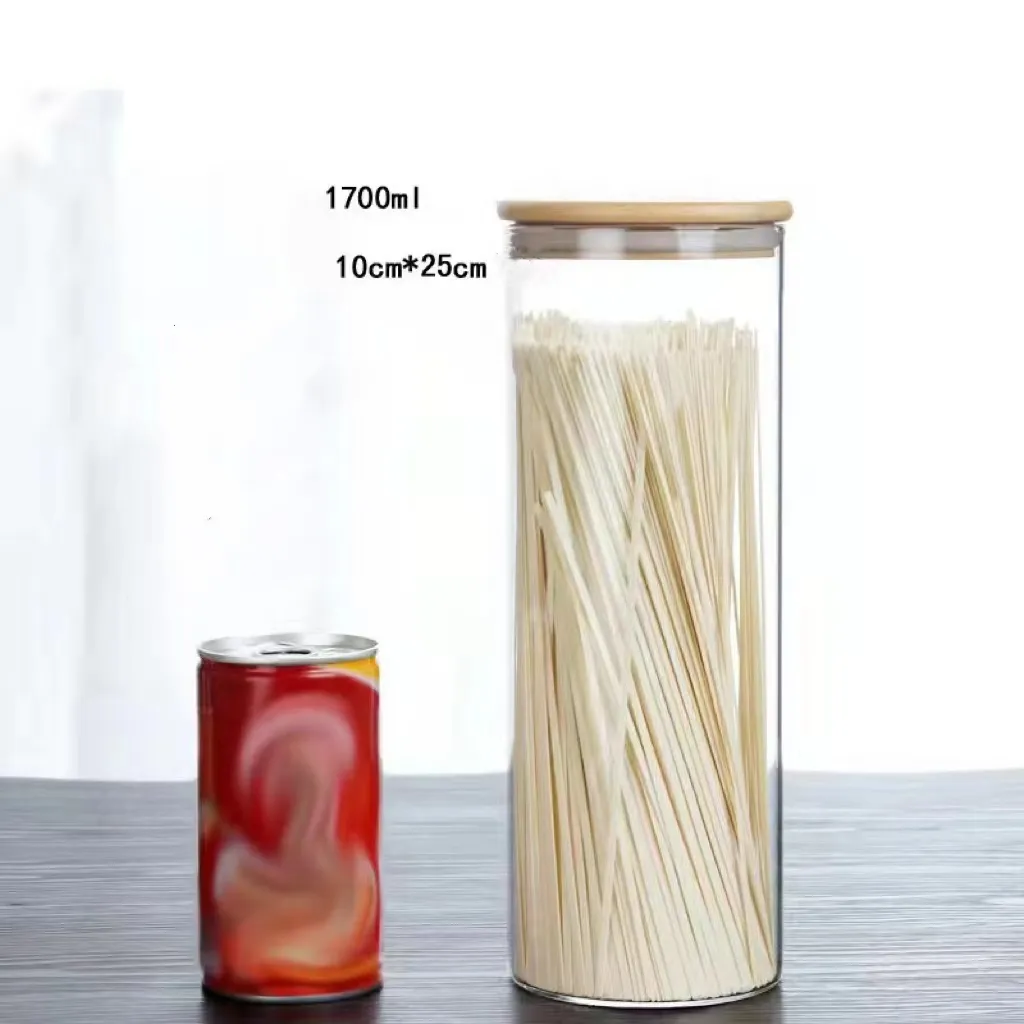
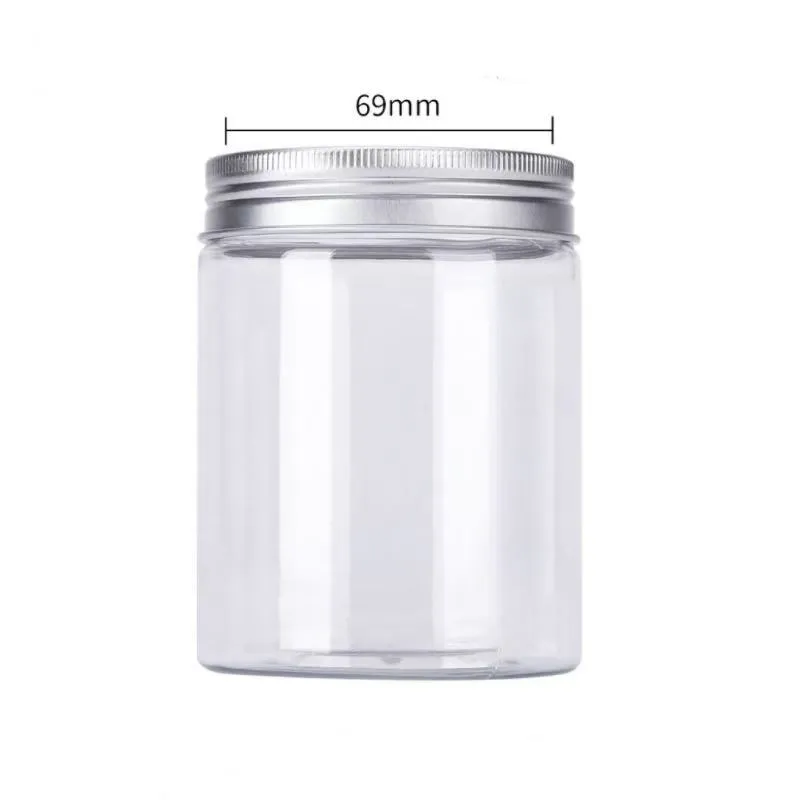
A spice grinder is a tool that reduces whole spices into smaller particles for cooking or seasoning. Depending on the design, it may crush ingredients between grinding surfaces or chop them with rotating blades. Common examples include hand-operated pepper mills, bottle-top spice grinders and electric blade grinders.
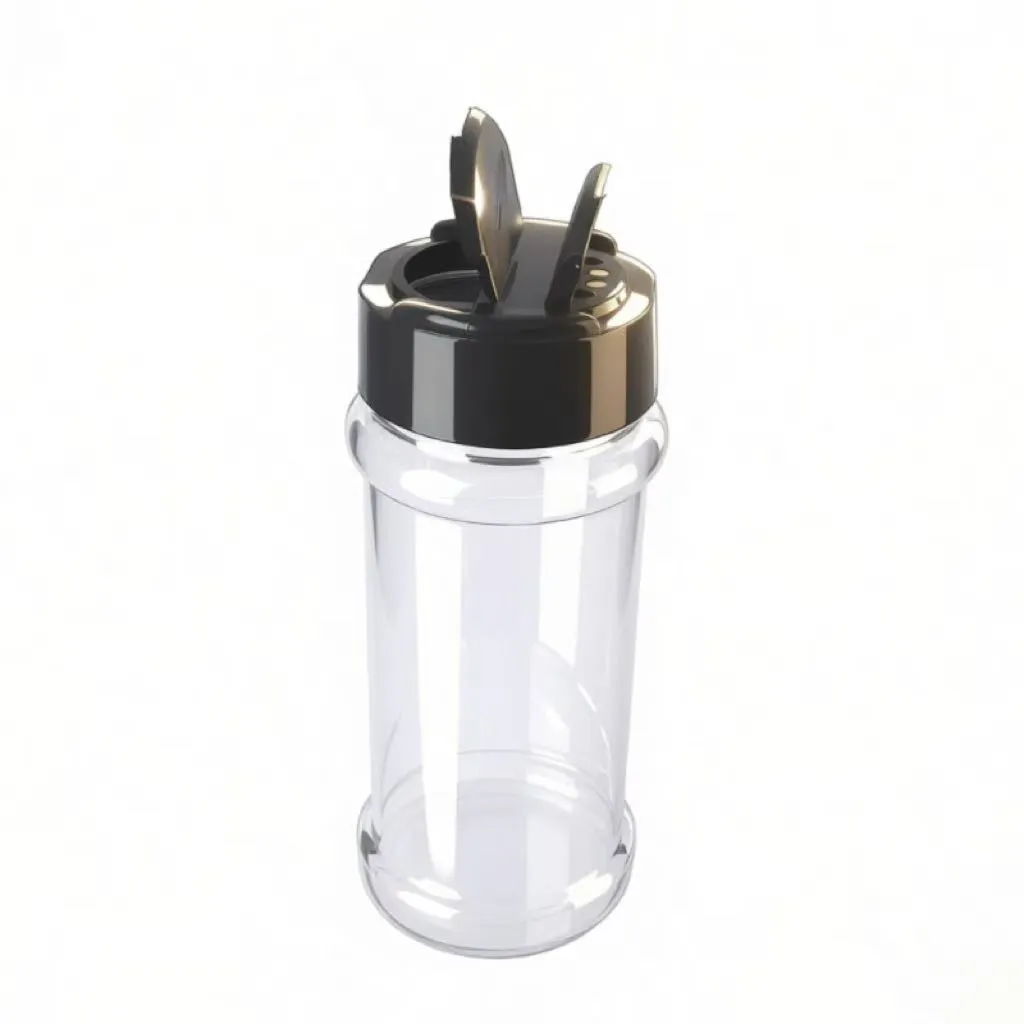
A spice grinder mill usually refers to a grinder that crushes ingredients between grinding surfaces. A spice shaker serves a different purpose: it dispenses seasoning through openings in the lid without grinding it.
Spices often need to be ground before use to release their full flavor and aroma. A spice grinder makes this process faster, easier, and more consistent than manual grinding. Understanding its components, applications, and maintenance requirements can help you choose and use the right grinder for your kitchen.
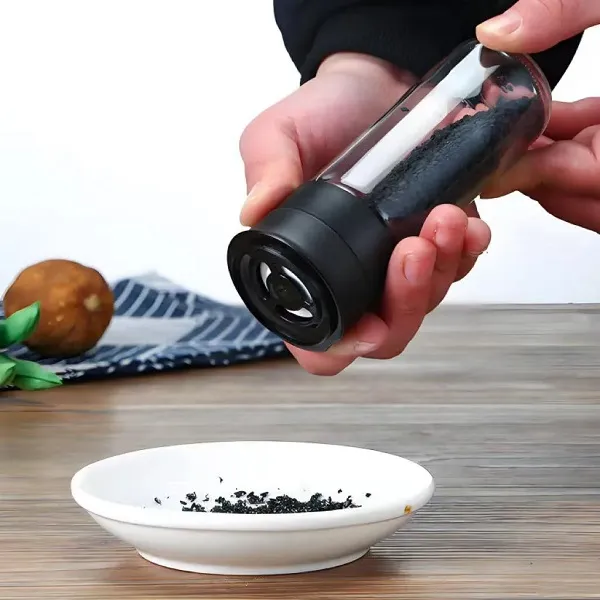
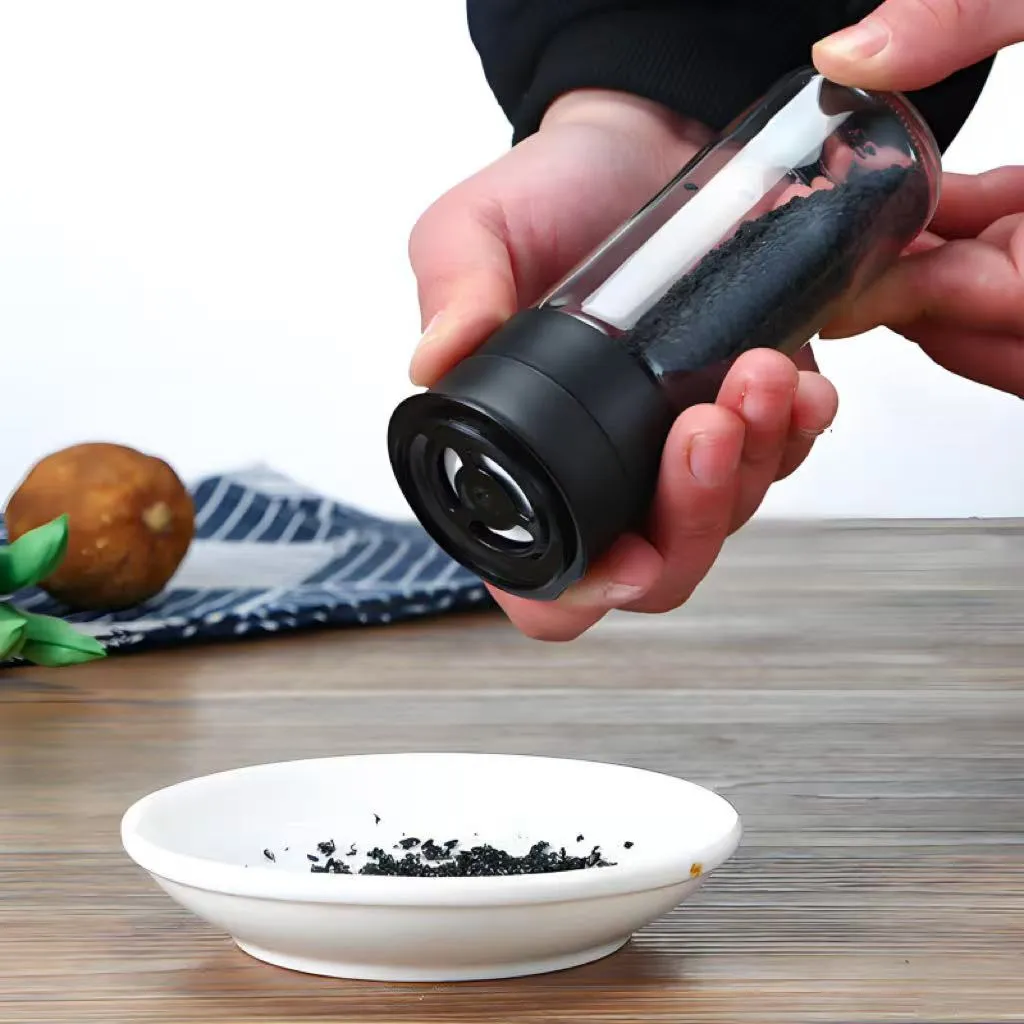
In a typical manual spice grinder, turning the head relative to the bottle moves one grinding component against another. Suitable ingredients enter the grinding area, break into smaller particles and exit through the outlet.
The bottle holds the ingredients, while the grinding head controls how they are processed and dispensed. Some designs offer a coarseness adjustment; others have a fixed setting. Refillability and adjustment features must be checked for the specific model.
An electric blade grinder uses a motor to rotate blades inside a chamber. The blades repeatedly strike and cut the ingredients. The resulting texture depends on the ingredient, batch size and operating time.
Follow the appliance instructions for loading, operation and cleaning. An electric blade grinder is one type of spice grinder; electrically powered mills can also use grinding mechanisms rather than blades.
| Comparison | Manual Spice Mill | Electric Blade Spice Grinder |
|---|---|---|
| Operating method | Hand rotation drives the grinding mechanism | A motor rotates blades inside a chamber |
| Ingredient processing | Ingredients pass through grinding surfaces and exit the outlet | Ingredients remain in the chamber while the blades process them |
| Texture control | Depends on the mechanism and any available adjustment | Depends on the ingredient, quantity and operating time |
| Typical use | Dispensing freshly ground seasoning directly from a bottle | Preparing batches of ground spices for cooking |
| Packaging role | Can combine ingredient storage and grinding in one package | Usually processes ingredients separately from their retail packaging |
| Refilling | Depends on the closure and product design | The chamber is loaded for each batch |
| Key check | Ingredient compatibility, turning effort and dispensing performance | Permitted ingredients, loading limits and operating instructions |
Choose the grinder around the ingredient and intended use. Neither format should be assumed to handle every spice.
A spice grinder usually includes a motor, grinding chamber, blade or burr mechanism, lid, and control system. These components work together to process whole spices into the required texture.
The motor provides the power needed to rotate the grinding mechanism. Stainless steel blades are commonly used to chop and pulverize spices quickly, while some grinders use burrs or grinding stones to produce a more uniform texture.
The grinding chamber holds ingredients such as peppercorns, cumin seeds, coriander seeds, cloves, cinnamon, and dried herbs. Many models feature a transparent lid, allowing users to monitor the grinding process and stop when the desired consistency is reached.
Compact construction is another important feature. Spice grinders are generally designed to process small quantities efficiently, helping users prepare fresh seasonings without grinding more than necessary.
A kitchen spice grinder is mainly used to turn whole or dried ingredients into powders or blends for cooking, seasoning, marinades, sauces, and baked foods.
Whole spices can retain their aroma longer than pre-ground alternatives. Grinding them immediately before use helps release their natural oils and produces a stronger, fresher flavor.
The required grinding time depends on the ingredient and desired texture. A short pulse can create a coarse texture, while longer grinding produces a finer powder. For example, coarsely ground pepper may be suitable for seasoning meat, while finely ground cumin or coriander works well in curries, marinades, and sauces.
A spice grinder can be used for:
Peppercorns
Cumin seeds
Coriander seeds
Cloves
Cardamom
Dried chili
Cinnamon pieces
Mustard seeds
Dried herbs
Homemade seasoning blends
Avoid overfilling the grinding chamber, as this can reduce grinding efficiency and produce an uneven texture. For the best results, process spices in small batches and use short pulses.
For a seasoning brand, the bottle and grinding head should be evaluated as a complete package. Start with the ingredient, target fill weight and intended consumer experience.
Check these details before choosing a model:
Bottle capacity: Confirm the actual fill weight using your seasoning rather than converting bottle volume directly into grams.
Grinding mechanism: Request the mechanism specification and confirmation of ingredient compatibility.
Closure fit: Check the bottle neck and grinding head as a matched combination.
User features: Confirm whether the design is adjustable, refillable or intended for a single filling.
Packaging dimensions: Review bottle height, label area and the requirements of your filling and packing process.
Explore Lauris salt and pepper grinders to compare available bottle formats, then request details for the model you are considering.
Compare samples under consistent conditions. Use the same ingredient batch, fill level, operating position and number of turns. Record any adjustment setting and repeat the check to see whether the result is consistent.
| Evaluation | What to Record | Why It Matters |
|---|---|---|
| Dispensed amount | Weight collected after a defined number of turns | Shows how much seasoning the user receives |
| Grind appearance | Close-up photographs with a scale reference | Helps compare visible particle size and variation |
| Turning effort | Ease of operation, interruptions and any jams | Reveals potential usability issues |
| Blend performance | Whether different ingredients appear in the output | Helps assess mixed-seasoning performance |
| Performance during use | Results at the beginning, middle and near the end of the fill | Shows whether dispensing changes as the bottle empties |
This is a practical comparison method, not a standardized certification test. Agree on acceptance criteria for your product before approving a bulk order.
For a packaging enquiry, send Lauris your ingredient or blend, target fill weight, preferred bottle material and estimated quantity.
Regular cleaning helps maintain grinding performance and prevents flavors or aromas from transferring between different ingredients.
Spices can leave behind fine particles, natural oils, and strong odors. Therefore, the grinding chamber should ideally be cleaned after every use, especially when processing strongly flavored ingredients such as chili, cloves, or cumin.
Use a soft, dry brush or clean cloth to remove loose residue. If the grinding bowl is removable and washable, clean it according to the manufacturer's instructions and allow it to dry completely before reassembly.
Do not immerse the motor base in water. For fixed grinding chambers, use a slightly damp cloth and take care to prevent moisture from entering the electrical components.
It is also important to inspect the blades or grinding mechanism regularly. Worn or damaged blades may produce inconsistent results and place additional strain on the motor.
Proper maintenance can:
Prevent flavor cross-contamination
Reduce unwanted odors
Maintain consistent grinding performance
Protect the motor and grinding mechanism
Extend the grinder's service life
A spice grinder is a practical type of kitchen tools for preparing fresh spices, dried herbs, and customized seasoning blends. Its compact design and efficient grinding mechanism make it easy to achieve different textures for a wide range of recipes.
Choosing a suitable model and cleaning it regularly will help preserve the natural flavor of ingredients, improve grinding consistency, and extend the equipment’s working life.
A spice mill is a type of spice grinder that typically crushes ingredients between grinding surfaces."Spice grinder" is a broader term that also includes electric blade appliances. Check the mechanism and intended ingredients rather than relying on the product name alone.
No. Some designs can be opened for refilling, while others use closures intended to stay attached. Check the specific model before attempting to remove the grinding head.
Possible causes include an empty bottle, ingredients not reaching the mechanism, unsuitable particle sizes or a blockage. Check the operating position and ingredient requirements first. Stop if the grinder jams, and follow the model instructions rather than forcing or dismantling it.

 English