When it comes to storing food, using the right plastic bags is crucial for both safety and freshness.
Food-safe plastic bags are specifically designed to prevent contamination and ensure that your food stays fresh and safe to eat.
Food-quality plastic bags have specific qualities that make them suitable for storing your produce and other food items.
Food-safe plastic bags are typically made from materials that do not contain harmful chemicals and are designed to be airtight, preventing moisture and contaminants from seeping in.
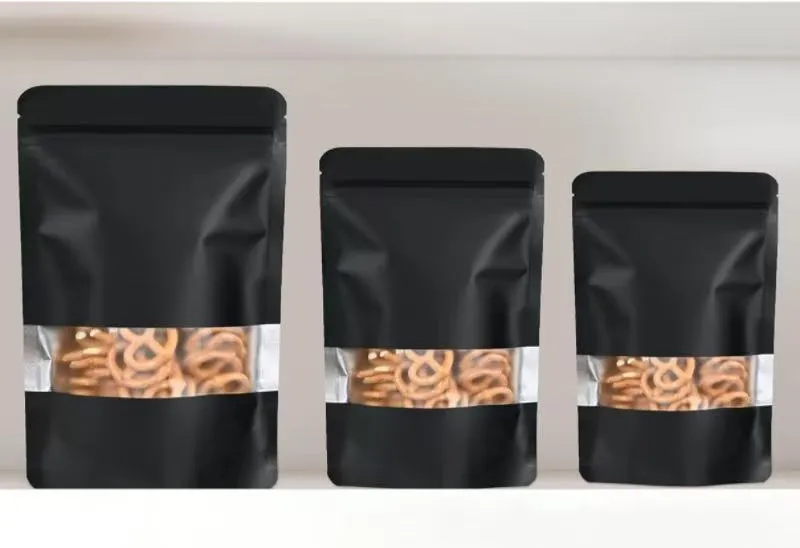
Food-safe plastic bags are made from materials such as polyethylene (PE), which is BPA-free and food-grade. These bags are tested to ensure they do not release harmful substances when in contact with food. They are also designed to be resealable to maintain freshness and prevent air, moisture, and odors from entering.
One notable feature of food-safe bags is their ability to block out air and moisture effectively, which is critical for keeping your food items fresh for a longer period. The material used in these bags is non-porous, meaning it does not absorb flavors or odors from the food, ensuring that each item retains its original taste and aroma.
There are various types of food-safe plastic bags, each with specific uses depending on your storage needs.
Single-use and reusable bags, stand-up pouches, and freezer bags are commonly used food-safe plastic options, each offering unique benefits tailored to different storage scenarios.
Single-use food-safe bags are ideal for quick storage solutions, such as wrapping a few food items temporarily. These bags are often made of polyethylene and are safe for both refrigerated and frozen storage.
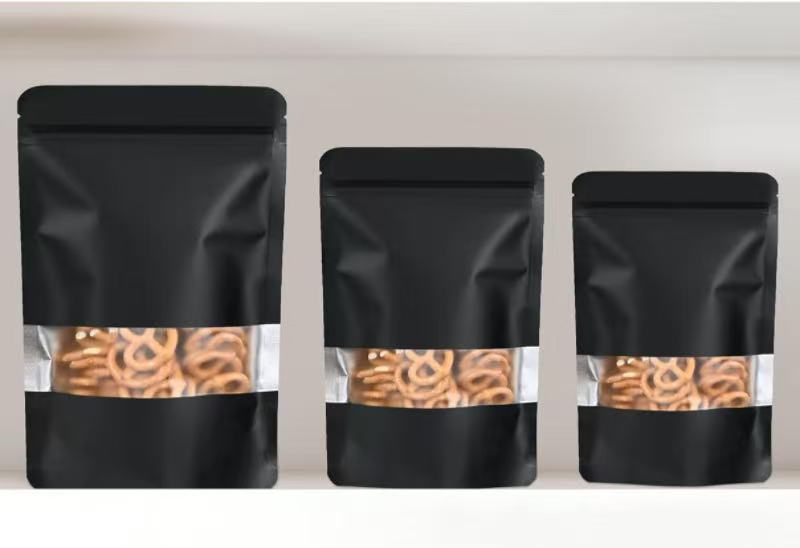
Stand-up pouches are great for storing bulk items like snacks or bulk foods that require airtight sealing. They are typically made with a combination of materials including polyethylene, aluminum foil, and polyethylene, providing an extra layer of protection against moisture and light.
Freezer bags are specifically designed for long-term storage in the freezer. They are made from thicker, more durable materials and can withstand frequent freezing and thawing. These bags often have a secure locking zipper to ensure a tight seal, preventing freezer burn and maintaining the freshness of the food.
Knowing how to identify food-safe plastic bags is essential to ensure your food is stored safely.
Look for bags that are labeled 'food-safe,' 'microwave-safe,' or labeled with the international food grade standard symbol.
When choosing food-safe plastic bags, look for a few key indicators. Firstly, bags labeled as 'food-safe' are specifically designed for food storage. Additionally, bags that are labeled 'microwave-safe' are also often suitable for food storage, as they meet certain safety standards.
Another useful indicator is the international food grade standard symbol, which is often a symbol featuring waves and a checkmark. This symbol indicates that the bag meets the safety standards for food contact.
Bags that are certified by organizations like the FDA (Food and Drug Administration) or other reputable food safety organizations are also a good choice. These certifications ensure that the bags meet stringent safety standards for food storage.
Choosing the right food-safe plastic bags is crucial for ensuring your food stays fresh and safe to eat. By understanding the characteristics, types, and identifiers of food-safe bags, you can make an informed decision that aligns with your storage needs.

 English